It's SCIENCE!
Maintaining balanced and safe water chemistry is critical to prevent damage that can and will occur during off-season.
The Langelier Saturation Index (LSI)
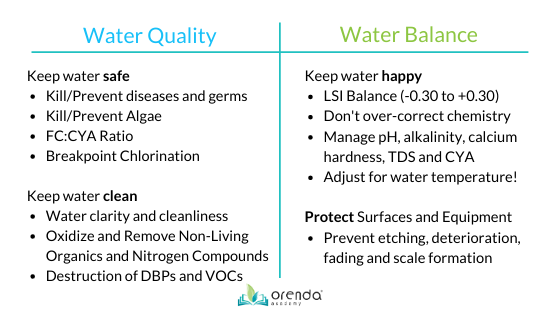
The LSI is the objective measurement of water balance, based on saturation of calcium carbonate (CaCO3). Too much (High LSI) leads to scale buildup on tile and surfaces, and in salt cells. Too little (Low LSI) leads to etching and corrosion damage.
A neutral LSI must be maintained at all times and at all temperatures to avoid and prevent this damage.
Why it matters when it's cold
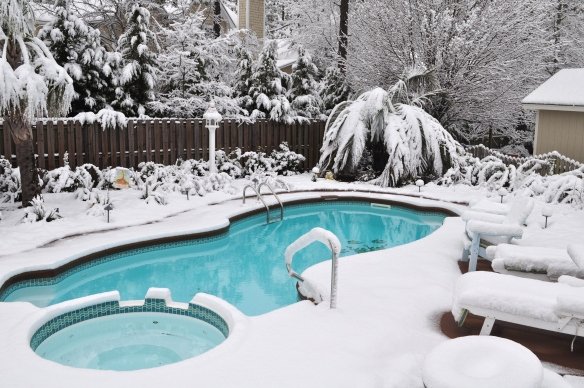
The vast majority of damage done to a pool occurs during the winter, or at initial filling & startup. Etching and corrosion are more likely to happen in cold water than warm, and not just damage to the pool plaster or vinyl liner, but pool equipment as well.
How we manage it
To manage this potentially hazardous condition with your pool, adjustments are made to the chemistry. Levels of Calcium Hardness, Cyanuric Acid, Carbonate Alkalinity, and pH are monitored, along with the less familiar, but equally important, Total Dissolved Solids, and especially Water Temperature.
When the pH Ceiling is taken into consideration, a level of predictability and balance can be achieved, allowing confident and quality control of the pool chemistry. Additionally, Salt Pools add another layer of complexity to the equation, with further consequences for improper maintenance and care.
Using the LSI to maintain pool chemistry throughout the year ensures your pool water is neither corrosive or scale-forming, either of which can cause serious damage to your pool’s surfaces and equipment.
You don't have to be a chemist
To keep your pool clean, balanced, and safe throughout the year, especially when the water gets cold. With a Chemical Engineer on staff, Outdoor Spaces 360 experts take swimming pool care to the next level.
Get Expert Pool CareWater Quality vs Water Balance